I use SourceTree + BitBucket combination with SSH setup on my Mac. It used to work fine. Haven't used this Mac to code for a while. Today I tried to do fetch / push, all failed with this permission denied (public key) issue. I've done some research, tried the solutions in this article https://conflu. If you're unsure whether you already have an SSH key, check for existing keys. If you don't want to reenter your passphrase every time you use your SSH key, you can add your key to the SSH agent, which manages your SSH keys and remembers your passphrase. Generating a new SSH key. Open Terminal Terminal Git Bash the terminal.
This version of GitHub Enterprise will be discontinued on This version of GitHub Enterprise was discontinued on 2019-03-27. No patch releases will be made, even for critical security issues. For better performance, improved security, and new features, upgrade to the latest version of GitHub Enterprise.For help with the upgrade, contact GitHub Enterprise support.
After you've checked for existing SSH keys, you can generate a new SSH key to use for authentication, then add it to the ssh-agent.
If you don't already have an SSH key, you must generate a new SSH key. If you're unsure whether you already have an SSH key, check for existing keys.
If you don't want to reenter your passphrase every time you use your SSH key, you can add your key to the SSH agent, which manages your SSH keys and remembers your passphrase.
Generating a new SSH key
Open TerminalTerminalGit Bashthe terminal.
Paste the text below, substituting in your GitHub Enterprise email address.
This creates a new ssh key, using the provided email as a label.
When you're prompted to 'Enter a file in which to save the key,' press Enter. This accepts the default file location.
At the prompt, type a secure passphrase. For more information, see 'Working with SSH key passphrases'.
Adding your SSH key to the ssh-agent
Before adding a new SSH key to the ssh-agent to manage your keys, you should have checked for existing SSH keys and generated a new SSH key. When adding your SSH key to the agent, use the default macOS ssh-add command, and not an application installed by macports, homebrew, or some other external source.
Start the ssh-agent in the background.
If you're using macOS Sierra 10.12.2 or later, you will need to modify your
~/.ssh/configfile to automatically load keys into the ssh-agent and store passphrases in your keychain.Add your SSH private key to the ssh-agent and store your passphrase in the keychain. If you created your key with a different name, or if you are adding an existing key that has a different name, replace id_rsa in the command with the name of your private key file.
Note: The
-Koption is Apple's standard version ofssh-add, which stores the passphrase in your keychain for you when you add an ssh key to the ssh-agent.Quick heal total security 2015 serial key generator. Quick Heal total security 2015 Crack plus Serial Key is the finest software provides the security for your Pc, laptop along with other online internet based risks. Several kinds of malicious risks for example virus, Trojan viruses, spy ware, together with adware and spyware can be found on the internet then when you interact with internet they’ve capability to attack on your computer. Sep 24, 2015 Quick Heal Total Security 2014 Product Key And Crack Full Version Free Download has also been incorporated with the capability of detecting and diagnosing product key the 2014 backdoor extortions. This Quick Heal Total Security has been consisting of several product key features and also outstanding product key tools that have the ability to. Jun 17, 2015 Quick Heal Total Security 2015 Product Key gives the cloud based extreme antivirus insurance, parental control, information and security assurance for your PC and versatile. Progressed DNAScan innovation gives guaranteed infection insurance by running a sweep for suspicious projects. Aug 20, 2015 Quick Heal Total Security 2015 Serial key will scan your data automatically when it detect threat or malware in your computer. You can change its virus protection settings. You can also scan your data manually after hour, day, or week. It scan your external storage devices automatically when you insert in the system. Quick Heal Total Security 2015 Crack is one of the best applications which totally clean all the files and folders. It is simple and easy to use application which main purpose is to fight against all the viruses, adwares, spywares, boot-kits, root-kits, keylogger, torjans, malwares and other malicious threats.
If you don't have Apple's standard version installed, you may receive an error. For more information on resolving this error, see 'Error: ssh-add: illegal option -- K.'
Add the SSH key to your GitHub account.
If you have GitHub Desktop installed, you can use it to clone repositories and not deal with SSH keys. It also comes with the Git Bash tool, which is the preferred way of running git commands on Windows.
Ensure the ssh-agent is running:
- If you are using the Git Shell that's installed with GitHub Desktop, the ssh-agent should be running.
If you are using another terminal prompt, such as Git for Windows, you can use the 'Auto-launching the ssh-agent' instructions in 'Working with SSH key passphrases', or start it manually:
Add your SSH private key to the ssh-agent. If you created your key with a different name, or if you are adding an existing key that has a different name, replace id_rsa in the command with the name of your private key file.
Add the SSH key to your GitHub account.
Start the ssh-agent in the background.
Add your SSH private key to the ssh-agent. If you created your key with a different name, or if you are adding an existing key that has a different name, replace id_rsa in the command with the name of your private key file.
Add the SSH key to your GitHub account.
Start the ssh-agent in the background.
Add your SSH private key to the ssh-agent. If you created your key with a different name, or if you are adding an existing key that has a different name, replace id_rsa in the command with the name of your private key file.
Generate rsa key no passphrase. Omitting -des3 as in the answer by @MadHatter is not enough in this case to create a private key without passphrase. It is enough for this purpose in the openssl rsa ('convert a private key') command referred to by @MadHatter and the openssl genrsa ('create a private key.
Add the SSH key to your GitHub account.
Further reading
- 'About SSH'
- 'Working with SSH key passphrases'
Generate RSA ID and use ssh with bitbucket
If you do not want to type in your password when using git, you should set up a ssh key to communicate with the git repository. This allows you to securely communicate with the repository while not needing to type after every command your password.
Generate ssh keys
First, you need to generate a ssh -key, open a Terminal (Control+Alt+t) and type in:

The output of this command looks like this:
You are asked to name a file in which to save your RSA ID, just hint 'Enter' to tell the program to save it to the default folder. The following output will appear:
type it once again:
The final output looks like this:
It shows that your private key has been saved in /home/rkk/.ssh/id_rsa and the public key has been saved to: /home/rkk/.ssh/id_rsa.pub. You will see your unique looking key fingerprint and key's randomart image.
Display your generated RSA public ID file to see if it worked:
Copy public key to bitbucket
Copy your key to your clipboard with
or on a mac:
Navigate to the repository site (well, you are already on it..)Now follow these screenshots:Access your personal account by clicking on your name:
Go to the ssh section:
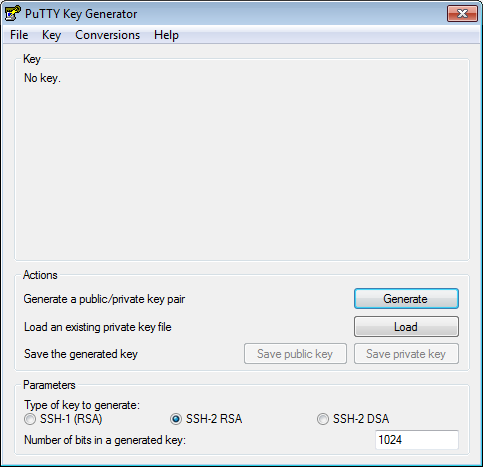
Generate Ssh Key Bitbucket Windows
Type in a label name of your choice and copy in your public key:
Save the key.
Change git config files for the ssh access
Navigate back to the start page of the repository, click on SSH to see the appropriate link and copy this link, see also the screenshot below:
Change wiki git config file
Now back to the terminal, navigate to the wiki base folder, to change your config file for the wiki git repository:
Open the wiki git repository config file with gedit
In the config file, only change the line url=.. in the section[remote 'origin'] by copying in the link from the start page of the repository site and add /wiki behind. The config should now look similar to mine:}}}
Save it and now test if your changes worked by running the following command:
The output should be similar to this:
Now type 'yes'
Now run the git push command
The output should be:
Change actual code repository config file
Generate Ssh Key For Bitbucket
Now repeat the above steps for your code repository as well:Go to the local folder of the code repository:
Open the code repository git config file with gedit
In the config file, only change the line url=.. in the section[remote 'origin'] by copying in the link from the start page of the repository site, do not add anything behind it! The config should now look similar to mine:}}}
Save it and now test if your changes worked by running the following command:
The output should be similar to this:
Now type 'yes'
Now run the git push command
The output should be:
Updated